Boost Your Audition Success Instantly with These 5 Storytelling Tips
Boost Your Audition Success Instantly with These 5 Storytelling Tips
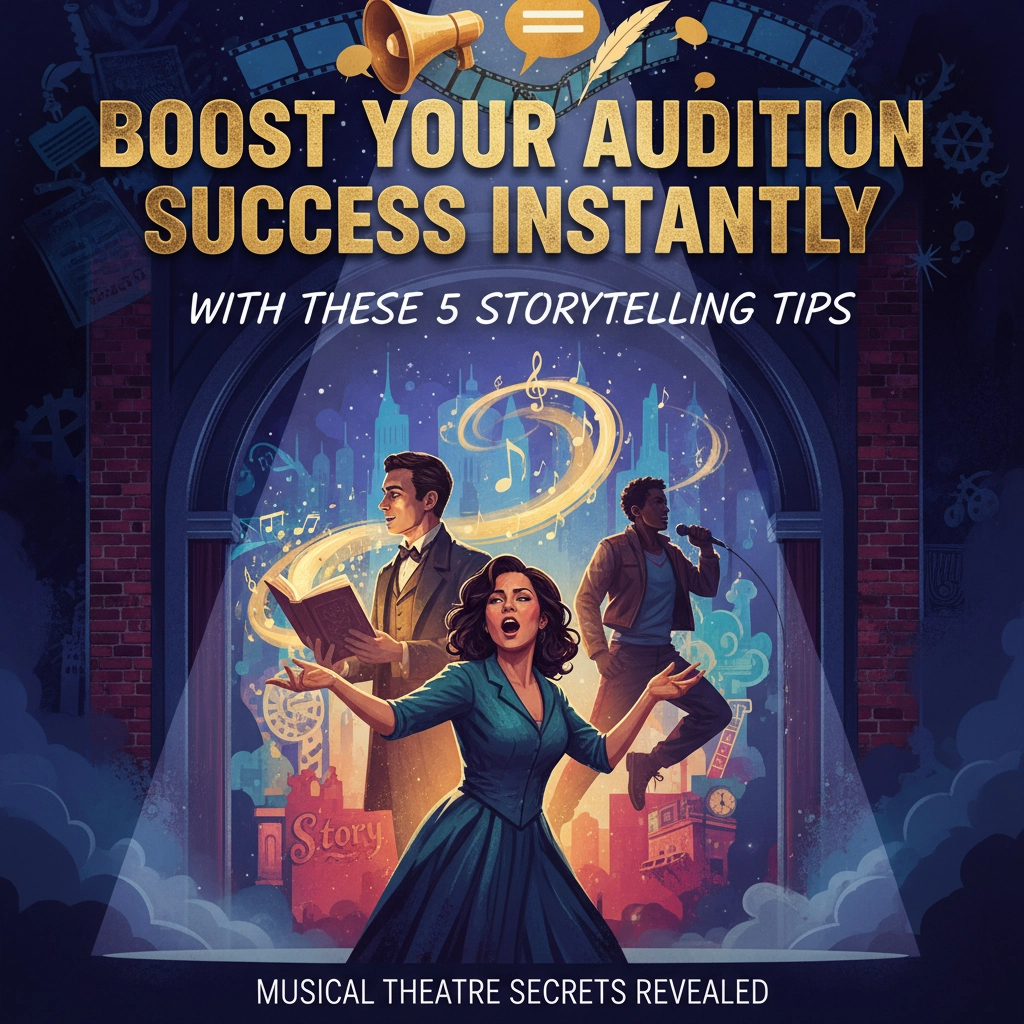
You walk into the audition room. The panel looks up from their notes. You have maybe thirty seconds to grab their attention before they've mentally moved on to the next performer. The difference between "thank you, next" and "tell us more about yourself" isn't just your vocal technique: it's your ability to tell a story that makes them lean forward and listen.
After fifteen years performing on stages across Australia and coaching singers in Brisbane, I've seen talented performers miss opportunities because they treated auditions like vocal exercises instead of storytelling moments. Your song isn't just notes and lyrics; it's a story with a beginning, middle, and end. Master these five storytelling techniques, and you'll turn every audition into a captivating performance that casting directors remember.
Tip 1: Anchor Your Story in a Specific Place
Before you sing a single note, your audience needs to know where your character is. Not just "somewhere sad" or "in a room," but a specific, vivid location that instantly creates a world. This technique grounds both you and your listeners in reality.
Instead of generic descriptions, paint a clear picture: "I'm standing in the empty school hallway at 3 AM, fluorescent lights buzzing overhead." Or "I'm curled up in the corner of my childhood bedroom, rain hitting the window." When you establish this specific location, your audience's imagination kicks in immediately.
This specificity also helps you as a performer. Having a concrete setting gives you physical and emotional anchors. You know how the space smells, feels, sounds. This detail work transforms your performance from abstract emotion to lived experience.
Quick Exercise: Before your next practice session, spend two minutes describing exactly where your character is. Include sensory details: temperature, sounds, lighting, textures. Notice how this changes the way you approach the song.
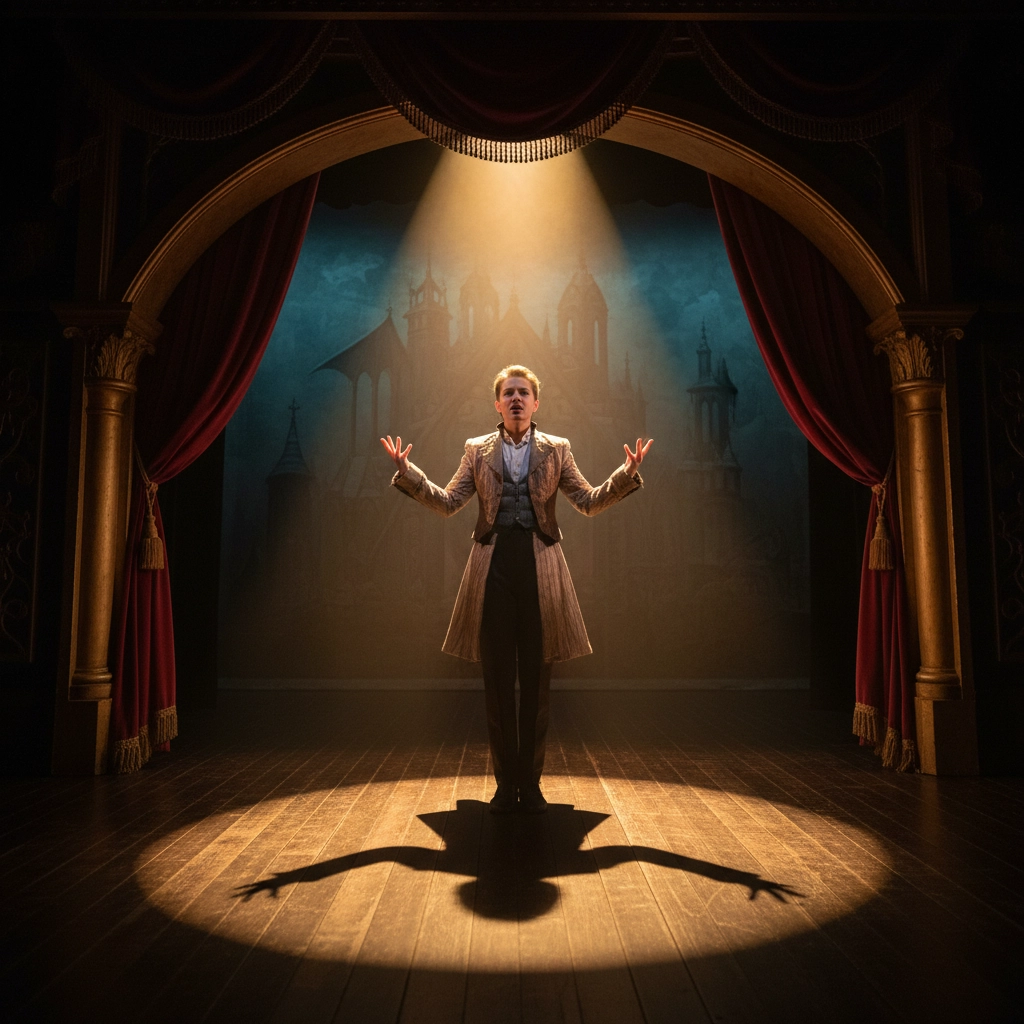
Tip 2: Show What Your Character is Doing Right Now
Great storytelling happens in action, not explanation. Instead of telling the casting panel what your character feels, show them what your character is doing in this exact moment. Action creates forward momentum and keeps your audience engaged.
Transform passive statements into active ones. Rather than "I was nervous about the phone call," try "I'm pacing back and forth, checking my phone every ten seconds." Instead of "I felt heartbroken," show "I'm folding and refolding the letter, unable to look at the words again."
This technique works especially well for musical theatre auditions where character work is crucial. Casting directors want to see how you inhabit a role, not how well you can explain emotions. When you focus on specific actions, your body language, facial expressions, and vocal choices naturally align with your character's state of mind.
Your actions should be simple but specific. Grand gestures aren't necessary: sometimes the most powerful moment is something as subtle as "I'm tracing the rim of my coffee cup, trying to find the courage to speak."
Tip 3: Master the Art of Emotional Show, Don't Tell
This is where most auditioners lose their power. They announce emotions instead of embodying them. "I was angry" tells us nothing. "My jaw is clenched so tight I can barely get the words out" shows us everything.
Emotional storytelling isn't about bigger expressions: it's about more specific ones. Sadness isn't just crying; it might be "I keep blinking fast, trying to clear the blur from my eyes" or "My voice catches on certain words like they're too heavy to lift."
For singing lessons and vocal coaching, this distinction is crucial because it affects your vocal delivery. When you focus on the physical manifestation of emotion, your voice naturally follows. Your breath support, tone quality, and phrasing all shift to match what your character is experiencing in their body.
Emotion Translation Exercise:
Anxious = "My hands won't stop moving, straightening papers that don't need straightening"
Excited = "I can't keep still, shifting my weight from foot to foot"
Disappointed = "I'm staring at the floor, shoulders dropping with each exhale"
Determined = "I'm meeting your eyes directly, each word deliberate and clear"
Tip 4: Use Dialogue That Reveals Character
How your character speaks is as important as what they say. Authentic dialogue isn't just about the words: it's about rhythm, pace, volume, and the spaces between words. This is where your work as a singer really shines, because you understand how vocal delivery conveys meaning.
Pay attention to how your character would naturally speak in this moment. Are they rushing through words because they're nervous? Speaking slowly because they're trying to convince themselves? Using short, clipped sentences because they're angry, or long, flowing phrases because they're lost in memory?
Subtext is your secret weapon here. What your character isn't saying is often more powerful than what they are. The pause before a difficult word, the way they avoid certain topics, the subtle emphasis on specific phrases: these choices reveal character depth that casting directors notice.
As a vocal coach in Brisbane, I work with performers to find these subtle vocal choices that make characters feel real and specific. It's not about putting on a voice; it's about discovering how this particular person speaks when they're in this particular situation.
Tip 5: Prepare Like Your Career Depends On It (Because It Does)
This tip isn't glamorous, but it's the foundation everything else builds on. Thorough preparation isn't just knowing your lyrics and melody: it's understanding every layer of your character's world. When you've done this deep work, the storytelling techniques above become natural choices rather than acting tricks.
Research everything: the show, the character's relationships, their history, their wants and fears. Know not just what happens in your song, but what happened five minutes before it starts and what your character hopes will happen five minutes after it ends.
Your Pre-Audition Storytelling Checklist:
Where is my character right now? (Specific location)
What just happened before this song begins?
What does my character want most in this moment?
What are they afraid of?
How do they typically speak when they're emotional?
What physical habits do they have when under pressure?
What's at stake if they don't get what they want?
This level of preparation separates singers taking generic singing lessons from performers who understand their craft. When you know your character this thoroughly, you make specific choices that create memorable auditions.
Putting It All Together in Practice
These storytelling techniques need to become second nature, which means practising them in every run-through. Don't just rehearse in your bedroom: work these skills into your regular voice coaching sessions. Record yourself and watch back just the first and last 30 seconds. Are you telling a story, or just singing notes?
Start small. Pick one technique for each practice session. Master the location work first, then add in specific actions, then layer in the emotional physicality. Building these skills incrementally makes them feel natural rather than forced.
The goal isn't to become a different performer: it's to become a more compelling version of yourself. These storytelling tools help you access and express what's already inside you in ways that connect with your audience.
Frequently Asked Questions
How do I remember all these techniques during a nerve-wracking audition?
Practice them until they're automatic. In your regular singing lessons or practice sessions, always work with a specific location, action, and emotional state. When these become habitual, they'll be there for you even under pressure. The preparation checklist becomes your backstage ritual that grounds you before you perform.
What if my audition song doesn't seem to have much story?
Every song has a story: you might just need to dig deeper. Even abstract or repetitive songs have an emotional journey. Ask yourself: what changes for your character between the first and last lines? What do they realise, decide, or accept? Sometimes the most powerful stories are internal shifts rather than external events.
Should I create elaborate backstories for every audition piece?
Focus on what directly affects your performance in the moment. You don't need a full biography, but you do need to know exactly what your character wants and what's stopping them from getting it. The backstory should inform your choices, not overshadow the song itself.
Transform Your Auditions with Story-Driven Performance
Mastering these storytelling techniques changes everything about your auditions. Instead of hoping your vocal technique impresses the panel, you're creating moments of genuine connection that make casting directors remember you weeks later. You're not just singing: you're inviting them into a world and making them care about what happens next.
These skills take time to develop, but the payoff is huge. When you combine strong vocal training with compelling storytelling, you become the kind of performer who books roles and builds careers.
If you're a dedicated singer or musical theatre performer in Brisbane ready to develop these advanced performance skills, I can help you integrate storytelling techniques into your vocal training. Together, we'll build the kind of stage presence that makes auditions feel like opportunities rather than obstacles.
Book a free, 15-minute assessment to discuss your audition goals and create a personalised plan for storytelling success.
Brisbane students click here: https://brisbanesinginglessons.com/
Gold Coast students click here: https://goldcoastsinginglessons.com.au/
