7 Mistakes You're Making with Audition Prep (and How to Fix Them)
7 Mistakes You're Making with Audition Prep (and How to Fix Them)
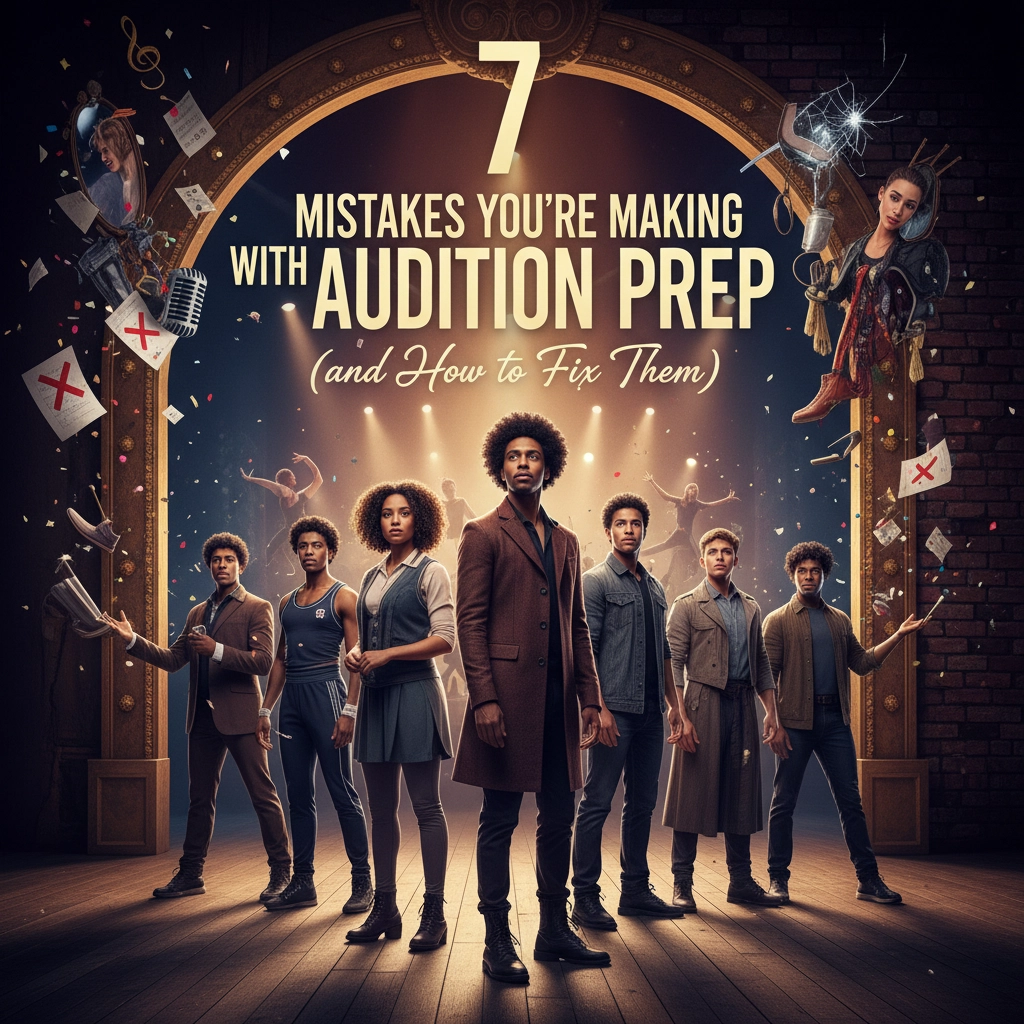
You've got the voice, but auditions still feel like a coin toss. Most singers aren't failing on talent; they're sabotaging themselves with prep mistakes. As a vocal coach near me in Brisbane with 15 years on stage, I see these patterns constantly.
The good news? They’re easy to fix. Here are the 7 most common audition prep errors.
Mistake #1: Treating Your Audition Song Like a Casual Run-Through
Most singers approach their audition material the same way they'd practice for a regular lesson. They sing it a few times, hit the notes, and call it done. But auditions aren't just about vocal accuracy, they're about storytelling, connection, and commanding the room.
The Fix: Rehearse Like It's Opening Night
Every time you practice your audition song, perform it as if you're in front of the casting panel. Stand up. Use your full voice. Make eye contact with imaginary people in the room. Work on your entrance, your exit, and everything in between.
Create a ritual: Walk to your "mark," take that grounding breath, and begin with intention. This isn't just vocal practice, it's performance training.
Audition Rehearsal Checklist:
Practice your entrance and opening 10 times minimum
Record yourself and watch back for stage presence
Sing standing up, not sitting at the piano
Practice with distractions (people talking, doors closing)
Time your song to ensure it fits requirements
Mistake #2: Choosing Songs That Sound Good Instead of Songs That Serve You
I see this constantly: singers pick beautiful, impressive songs that don't actually showcase their strengths or fit the audition requirements. You might love that Adele power ballad, but if you're auditioning for a comedy, it's not serving your purpose.
The Fix: Be Strategic About Your Material
Your audition song should be a highlight reel of your best qualities. Are you funny? Choose something that lets your personality shine. Do you have incredible control in your lower register? Pick a song that showcases that strength, not one that pushes your high notes. For specific repertoire help, looking into singing lessons can save you hours of guesswork.
Consider these factors when choosing material:
Does it fit the style of the show you're auditioning for?
Does it highlight your vocal strengths?
Can you connect emotionally with the character and story?
Is it age-appropriate and in your wheelhouse?
Does it show your range without being a vocal obstacle course?
Mistake #3: Learning Lines Without Learning the Story
Here's where many singers get it wrong: they memorize lyrics without understanding the emotional journey. You can sing every word perfectly, but if you don't know who you are, where you've been, and what you want, your audition will feel hollow.
The Fix: Become a Detective
Before you even think about vocal technique, do the character work. Who are you singing to? What just happened before this song? What are you trying to achieve? This work is essential for musical theatre success.
Spend time with the full script or context if it's available. If you're singing "Memory" from Cats, don't just learn the melody, understand Grizabella's journey, her loneliness, her desperation for acceptance.
Character Work Questions:
Who am I in this song?
What do I want from the person I'm singing to?
What just happened before this moment?
How do I change by the end of the song?
What's my relationship to the other characters mentioned?
Mistake #4: Ignoring Your Physical Presence
Your voice might be flawless, but if your body language says "I'd rather be anywhere else," casting directors will notice. Fidgeting, swaying aimlessly, or looking at the floor instead of connecting with your audience kills the magic.
The Fix: Make Intentional Physical Choices
Every movement should have a purpose. If you're going to gesture, make it deliberate. If you're going to move, make it part of the storytelling. But remember, less is often more in an audition room.
Work on your stillness first. Can you command attention just by standing there? That's stage presence.
Physical Presence Checklist:
Plant your feet in a strong, grounded stance
Keep your hands relaxed at your sides unless gesturing
Make eye contact with specific points in the room
Use your chest and shoulders to convey confidence
Practice your bow or acknowledgment for the end
Mistake #5: Waiting Until the Last Minute to Handle Nerves
Audition anxiety isn't something you can just "power through" on the day. If you wait until you're in the waiting room to address your nerves, it's too late. Anxiety kills vocal freedom, clouds your thinking, and prevents you from accessing your full range of expression.
The Fix: Build Confidence Through Over-Preparation
The best antidote to nerves is knowing you're genuinely ready. Not just vocally ready, completely ready. When you've rehearsed every possible scenario, your confidence becomes unshakeable.

Start working with performance anxiety weeks before your audition, not the day of. Practice meditation, breathing exercises, or whatever grounding techniques work for you. Make them part of your routine.
Pre-Audition Confidence Builders:
Perform your song for friends or family multiple times
Practice positive self-talk and visualization
Develop a pre-performance routine you can rely on
Work with a coach who understands performance psychology
Record successful practice sessions to remind yourself you can do this
Mistake #6: Focusing Only on the Big Moments
Everyone wants to nail that money note or the emotional climax, but auditions are won in the details. The way you handle the quiet moments, the transitions between sections, and the subtle character moments often matter more than hitting the high C.
The Fix: Perfect the Small Things
Pay attention to your consonants, your phrasing, your breathing between lines. These details show professionalism and artistry. They're also what separate good singers from memorable performers.
Work on the moments between the lyrics, what happens during the musical interludes? Are you still in character, or do you just stand there waiting for your next entrance?
Mistake #7: Not Having a Clear Plan B (or C)
Technology fails. Accompanists make mistakes. Casting directors ask for different material. If your entire audition strategy depends on everything going perfectly, you're setting yourself up for disaster.
The Fix: Prepare for Multiple Scenarios
Always have backup songs ready in different styles. Know your material well enough to perform a cappella if necessary. Be ready to adjust your key, cut your song shorter, or perform something completely different.
This isn't paranoia, it's professionalism. Casting directors remember performers who handle curveballs with grace.
Emergency Preparedness Kit:
Have 3-4 songs ready in different styles and lengths
Know at least one song well enough to perform without accompaniment
Bring sheet music in multiple keys
Have a 60-second version and a full version of your main song
Practice performing in different sized spaces
Building These Skills Into Your Regular Practice
These aren't just audition tricks, they're fundamental performance skills that need to be developed over time. You can't just flip a switch and become a confident, prepared performer. It takes consistent work and the right guidance.
The difference between singers who book roles and those who don't often comes down to these preparation details. It's not always about who has the biggest voice or the most training, it's about who shows up most prepared, most professional, and most ready to work.
Frequently Asked Questions
What if I get so nervous I forget everything I practiced?
This is exactly why over-preparation is crucial. When you've rehearsed your material hundreds of times, not just the singing, but the character work, the staging, the emotional journey, it becomes automatic. Your body and voice will remember even when your mind goes blank. Also, develop a simple breathing technique you can use to center yourself quickly.
How far in advance should I start preparing for an audition?
As soon as you know about it. Even if that's just a few days, use that time wisely. If you have weeks or months, that's even better. The goal is to be so prepared that you can focus on connecting and performing rather than just surviving the audition.
Should I get professional help with audition prep?
If you're serious about booking roles, yes. A good coach can spot issues you might miss and help you make choices that serve the material and showcase your strengths. They can also help you build the confidence and skills that make auditions feel less like a test and more like a chance to perform.
Take Your Audition Game to the Next Level
Stop leaving success to chance. Whether you're looking for professional singing coach sessions or advanced performance workshops, the right prep makes all the difference.
Book a free, 15-minute assessment to discuss your audition goals and create a personalised plan to transform your preparation process.
Gold Coast students click here: https://goldcoastsinginglessons.com.au/
Brisbane students click here: https://brisbanesinginglessons.com/
